

You’ve done a few events, borrowed a compass from the club, hired a dibber at registration and probably turned up wearing whatever running kit was already in your wardrobe.
That’s exactly how most people start.
But after a while it becomes clear which bits of kit make life easier. Having your own compass means one less thing to borrow. Owning a dibber saves queueing at registration. Proper orienteering clothing is lighter, dries faster and stands up much better to brambles, mud and rough vegetation than ordinary running gear.
This guide looks at the equipment many UK orienteers buy once they’ve decided they’re sticking with the sport. Whether you’re mainly running local forest events or urban races, these are the items worth considering first.
Forest and Urban Orienteering Require Different Kit
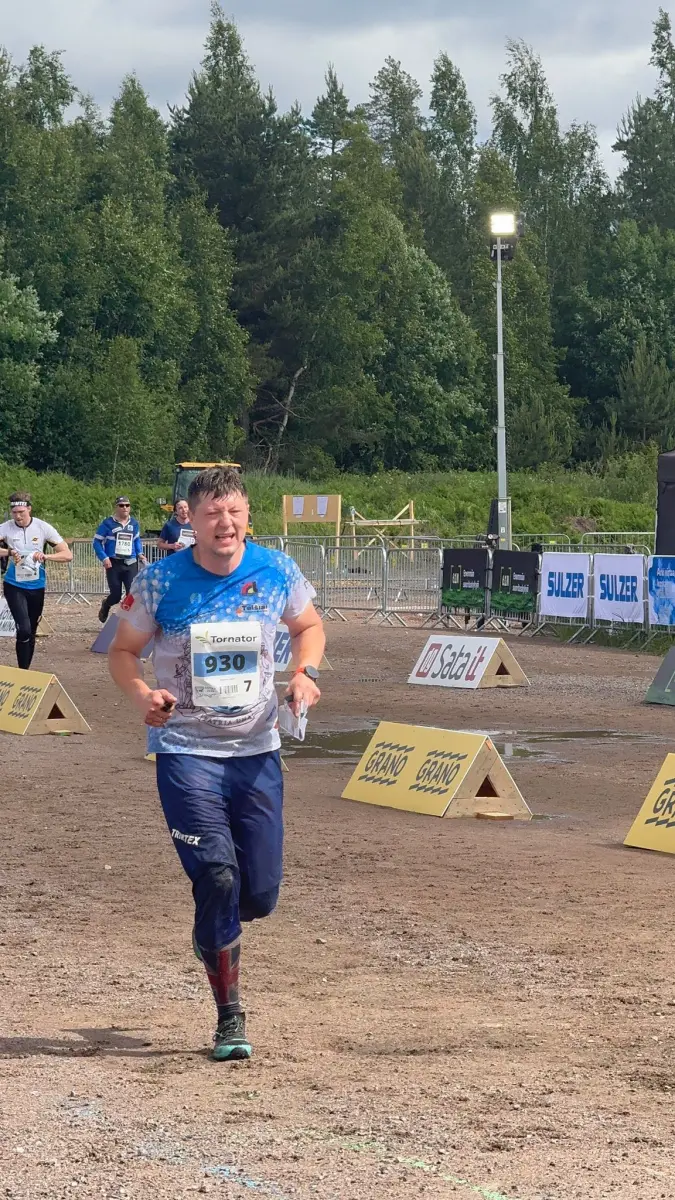
One of the first things you’ll notice is that not all orienteering events require the same clothing.
An urban race around a town or city centre places very different demands on your equipment compared to a forest event in the middle of winter.
For most urban events, lightweight running clothing and road or trail shoes will be perfectly suitable. The terrain is generally faster and cleaner, with less vegetation to fight through.
Forest events are different. Mud, wet grass, brambles, nettles and rough undergrowth are all part of the challenge. Organisers may also require competitors to carry specific safety equipment depending on the weather and terrain.
Before entering any event, it is always worth checking the final details published by the organiser, so you know exactly what equipment is required.
What Does Full Leg Cover Actually Mean?
If you’ve attended a few forest events, you’ve probably heard organisers mention full leg cover.
For newcomers, this can be confusing.
Full leg cover simply means that your legs must be covered from ankle to waist.
There are several ways to achieve this:
- Full-length orienteering trousers
- Orienteering tights
- Running leggings
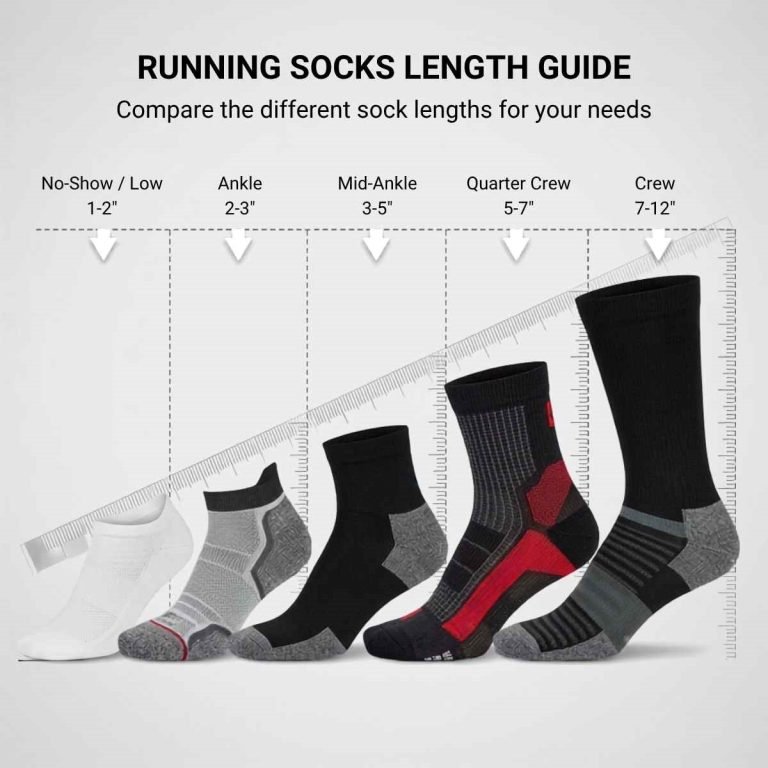
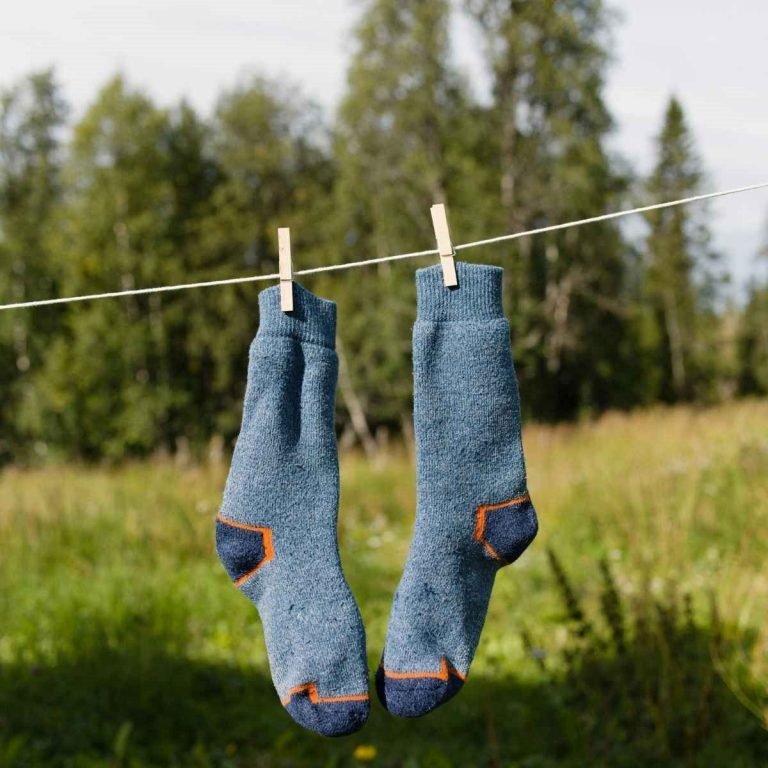
- Three-quarter tights combined with long orienteering socks
The purpose isn’t to make competitors uncomfortable. It’s there to provide protection from scratches, brambles, rough vegetation and other hazards commonly found in woodland terrain.
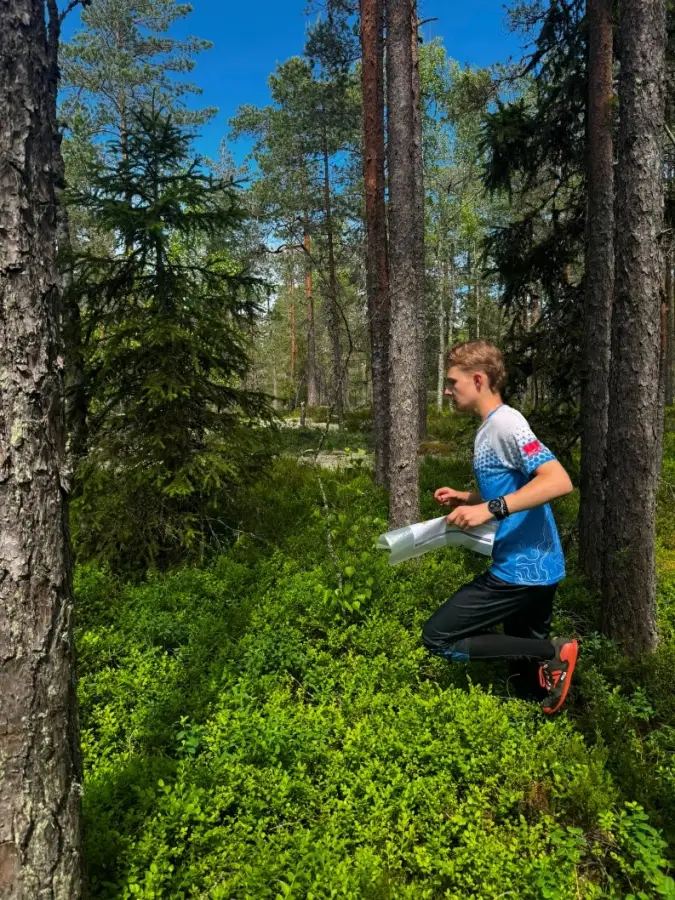
Many experienced orienteers choose lightweight trousers during warmer months because they offer excellent protection without becoming too hot.
Others prefer specialist orienteering tights for a closer fit and greater freedom of movement.
The important thing is meeting the event requirements while remaining comfortable enough to run and navigate effectively.
The Clothing Most Orienteers Eventually Buy
Orienteering Trousers
There’s a reason you see so many people wearing orienteering trousers at events.
They’re lightweight, breathable and surprisingly durable for their weight.
Unlike ordinary running trousers, they’re designed specifically for moving through woodland and rough terrain. They dry quickly after wet races and stand up far better to repeated contact with vegetation.
For many competitors, a good pair of orienteering trousers becomes the most-used item in their kit bag.
Orienteering Tights
Tights are another popular option, particularly during colder weather.
Specialist models from brands such as Noname and Trimtex are designed for off-road racing and are considerably more durable than standard running tights.
Many runners prefer them because they offer more protection, don’t flap around when running and dry quickly after wet conditions.
If you’ve ever finished a race soaked from waist-high vegetation, you’ll appreciate clothing that sheds water quickly and doesn’t become heavy as the event progresses.
Orienteering Tops
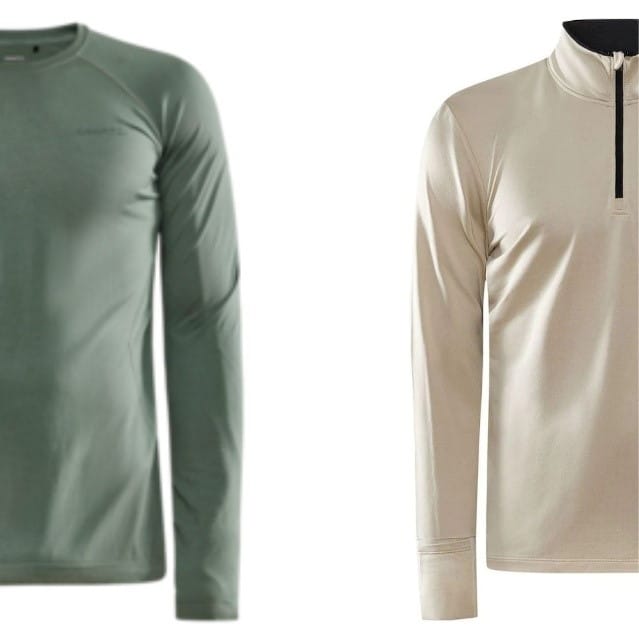
A dedicated orienteering top isn’t essential, but many regular competitors eventually invest in one.
They’re lightweight, breathable and designed to cope with repeated use in rough terrain.
Joining your club colours also adds a sense of belonging when travelling to larger events around the country.
Why You Should Always Carry a Waterproof Jacket
Many runners assume they only need a waterproof jacket if rain is forecast.
In orienteering, that’s not always the case.
For some events, particularly in exposed terrain or poor weather, organisers can make waterproof clothing compulsory. If it’s listed in the final details and you don’t have one, you may not be allowed to start.
The good news is that it doesn’t need to be expensive.
The important thing is that it’s genuinely waterproof rather than simply shower resistant.
A quick way to check is to turn the jacket inside out and look at the seams. If the seams are taped, that’s usually a good indication you’re looking at a proper waterproof jacket rather than a lightweight running shell.
Even if it’s rarely needed, having one available in your kit bag can save a wasted journey.
Buying Your Own Compass
Borrowing a compass works perfectly well when you’re getting started.
Eventually though, most regular competitors buy their own.
Using the same compass every time helps build familiarity and confidence. You’ll know exactly how it sits in your hand, how quickly the needle settles and how it feels while navigating at speed.
If you’re unsure where to start, we’ve already covered the topic in detail in our guide on choosing an orienteering compass.
Many competitors start with a baseplate compass before moving to a thumb compass as their navigation speed improves.
Whether you prefer a traditional baseplate compass or a thumb compass, owning your own is one of the first upgrades most orienteers make.
Why Owning a Dibber Makes Life Easier
Electronic timing has become a standard part of modern orienteering.
While hiring a SportIdent card works perfectly well, many competitors eventually decide to buy their own.
The advantages are simple.
No hire fees. No paperwork. No queue at registration.
And no worrying about remembering to return hired equipment after your run.
Once you’re attending events regularly, owning a SportIdent card becomes one less thing to think about on race day.
Don’t Lose It in the Forest
A SportIdent card is small, lightweight and easy to forget about until the moment you need it.
Most competitors wear theirs securely on a finger or wrist, but if you’re still getting used to carrying one, a simple security line provides extra peace of mind.
It’s a small addition that can prevent an expensive mistake somewhere deep in the forest.
Small Accessories Worth Having
Some of the most useful items in an orienteer’s kit bag aren’t particularly expensive.
They’re simply things that make race days easier.
Control Description Holder
If you’ve ever watched experienced competitors before a race, you’ve probably noticed a small holder attached to their wrist or forearm.
This holds the control descriptions separately from the map.
Instead of repeatedly unfolding the map to check symbols and feature descriptions, the information is always visible at a glance.
Not everyone uses one, but many regular competitors wouldn’t be without it.
We’ll cover how to choose the right control description holder in a separate guide.
Safety Pins
Most organisers provide safety pins whenever race numbers are required.
Most of the time you’ll never need your own.
However, carrying a few spare pins in your kit bag takes up almost no space and can occasionally save the day.
Keeping Everything Together
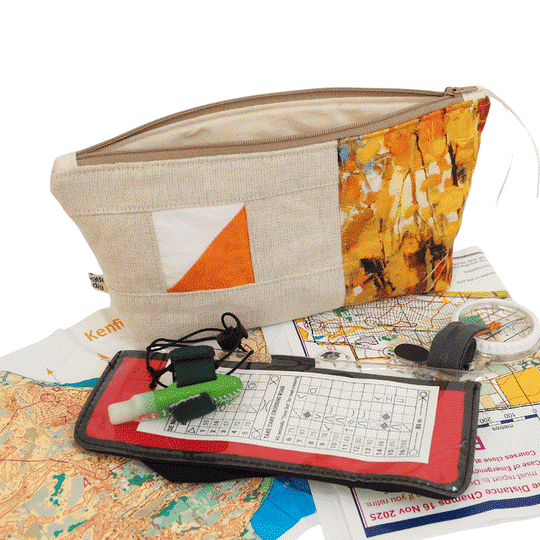
As your collection of kit grows, you’ll probably find yourself carrying:
- Compass
- Dibber
- Whistle
- Safety pins
- Control description holder
Having a dedicated organiser or zip bag keeps everything in one place and makes race mornings far less stressful.
There’s nothing worse than arriving at an event and discovering your compass is still sitting on the kitchen table.
Orienteering Kit Checklist
If you’ve decided that orienteering is becoming a regular part of your life, these are the items worth considering first.
Essential Equipment
- Orienteering compass
- SportIdent card (dibber)
- Suitable footwear
- Full leg cover clothing
- Whistle
- Waterproof jacket
Useful Additions
Final Thoughts
You don’t need to buy everything at once.
Most orienteers build their kit gradually over time, adding pieces as they gain experience and discover what works best for them.
Start with the essentials. A compass, dibber and appropriate clothing will cover the vast majority of events you’ll enter.
From there, it’s simply a matter of refining your setup and finding the equipment that makes you feel comfortable, organised and ready to focus on what matters most — navigating well and enjoying the race.
Frequently Asked Questions
What equipment do you need for orienteering?
If you’ve already completed a few events and plan to continue the sport, the most useful pieces of equipment to own are a compass, a SportIdent timing chip (dibber), suitable footwear, full leg cover clothing, a whistle and a waterproof jacket.
Many clubs lend compasses and hire out dibbers for beginners, but having your own equipment makes race preparation much easier and ensures you’re ready for any event.
What should I wear for orienteering?
The best clothing depends on the type of event.
For forest orienteering, most competitors wear full leg cover in the form of orienteering trousers, tights or leggings. This helps protect against scratches, brambles and rough vegetation.
For urban events, standard running clothing is often suitable, although you should always check the organiser’s final details before race day.
Whichever clothing you choose, lightweight, breathable and quick-drying materials are usually the most comfortable.
What does full leg cover mean in orienteering?
Full leg cover means your legs must be covered from ankle to waist.
This can be achieved with full-length orienteering trousers, tights or leggings. Some competitors also use three-quarter tights combined with long orienteering socks to ensure there is no exposed skin below the knee.
The requirement exists to help protect competitors from scratches, nettles, brambles and other hazards commonly found in woodland terrain.
Do I need a compass for orienteering?
Yes. A compass is one of the core pieces of orienteering equipment.
Many clubs provide loan compasses for beginners, but once you’re attending events regularly it makes sense to own your own. Using the same compass every time helps build confidence and consistency when navigating.
What is a dibber in orienteering?
A dibber is the electronic timing chip used to record your visit to each control during an event.
Most UK events use the SportIdent system. The dibber is carried on your finger or wrist and is inserted into the electronic control unit at each checkpoint.
While many events offer hire cards, regular competitors often buy their own SportIdent card for convenience.
Do I need a waterproof jacket for orienteering?
Not always, but it is strongly recommended and may be compulsory at some events.
Organisers can require waterproof clothing depending on weather conditions, terrain and safety considerations. If waterproof kit is listed in the event details and you don’t have it, you may not be allowed to start.
A simple waterproof jacket with taped seams is usually sufficient for most events.
What shoes are best for orienteering?
The best shoes depend on the terrain.
Urban events are often suitable for road running shoes or lightweight trail shoes.
Forest events usually require more grip to cope with mud, wet grass and uneven ground. Many regular competitors choose specialist orienteering shoes or aggressive trail running shoes designed for off-road conditions.
Do I need gaiters for orienteering?
Not necessarily.
Some competitors like the extra protection gaiters provide, particularly in rough terrain. Others prefer long socks combined with trousers or tights and never use gaiters at all.
It’s largely a matter of personal preference and the type of terrain you regularly race in.
What are control descriptions?
Control descriptions provide additional information about the exact location of each control.
They use internationally recognised symbols to describe features such as boulders, re-entrants, fences, paths or vegetation boundaries.
Many competitors carry the descriptions in a wrist-mounted control description holder so they can check them quickly while running.
What are the different types of orienteering?
The most common form is foot orienteering, where competitors navigate on foot between checkpoints.
The International Orienteering Federation officially recognises four disciplines: Foot Orienteering, Mountain Bike Orienteering (MTBO), Ski Orienteering and Trail Orienteering.
In the UK, foot orienteering is by far the most widely available format and is the version most people experience first.
What clothing do experienced orienteers wear?
Most experienced competitors choose lightweight, quick-drying clothing specifically designed for orienteering.
Common choices include specialist trousers, orienteering tights, club tops, trail or orienteering shoes, a compass, a dibber and a whistle.
The goal is not to look professional but to stay comfortable, move efficiently through rough terrain and be prepared for the conditions on race day.
Is orienteering clothing different from normal running clothing?
Yes.
Specialist orienteering clothing is designed to cope with rough terrain, vegetation and repeated contact with undergrowth.
Compared with ordinary running clothing, it is usually more durable, dries quickly and provides better protection during forest events while remaining lightweight enough for racing.