

We've All Been There
You check the weather before heading out for a run.
It’s only 6°C.
You stand by the front door wondering what to wear.
Should you wear a T-shirt?
A long sleeve top?
Do you need a base layer?
Will a jacket be too warm?
If you’ve ever asked yourself those questions, you’re not alone.
Choosing what to wear for a run can sometimes feel harder than the run itself.
Many runners either wear too much and end up overheating after ten minutes, or wear too little and spend the first few kilometres wishing they’d put another layer on.
The good news is that there’s a very simple way to make getting dressed much easier.
It’s called layering.
Once you understand how it works, you’ll know how to dress comfortably in almost any weather without filling your wardrobe with dozens of different running tops.
Why Do So Many Runners Get It Wrong?
One of the biggest myths in running is that if you’re moving, you’ll soon warm up.
That’s true—to a point.
Your body does generate heat while you’re running, but cold wind, rain and low temperatures can still leave you feeling uncomfortable if you’re wearing the wrong clothing.
We often see runners heading out on cold mornings wearing shorts and a lightweight T-shirt because they think they’ll be fine once they start moving.
Sometimes they are.
Quite often they aren’t.
Bright red legs, cold hands and a miserable first half of the run usually mean they dressed for how they wanted the weather to feel rather than what it was actually like.
The opposite happens too.
Some runners put on one thick fleece or hoodie and end up overheating before they’ve finished their warm-up.
Neither approach is ideal.
The secret isn’t wearing more clothing.
It’s wearing the right layers.
Why Layering Works
Think of your running clothing as a team.
Every layer has its own job.
Instead of relying on one thick top to do everything, several lighter layers work together to help keep you comfortable.
One layer helps move sweat away from your skin.
Another helps keep warm air close to your body.
A third protects you from wind and rain when the weather turns.
Because each layer has a different job, it’s much easier to adjust what you wear depending on the conditions outside.
That’s why experienced runners rarely think in terms of one warm jacket.
They think in layers.
🧭 Compass Point Tip
Don’t ask yourself, “What jacket should I wear today?” Instead ask, “What does today’s weather need?” If it’s cold, you may need insulation. If it’s windy, you may need protection from the wind. If it’s raining, you may need a waterproof layer. Once you start thinking like that, choosing your running clothing becomes much easier.
The Three Layers Explained
Now that you know why layering works, let’s look at what each layer actually does.
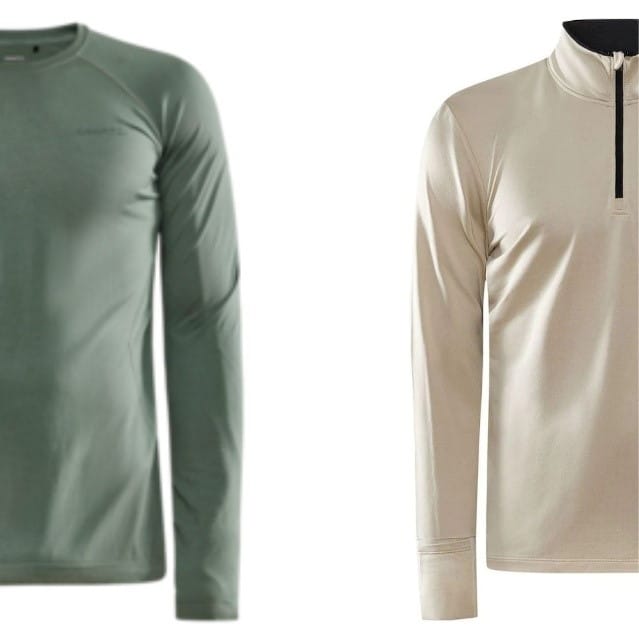
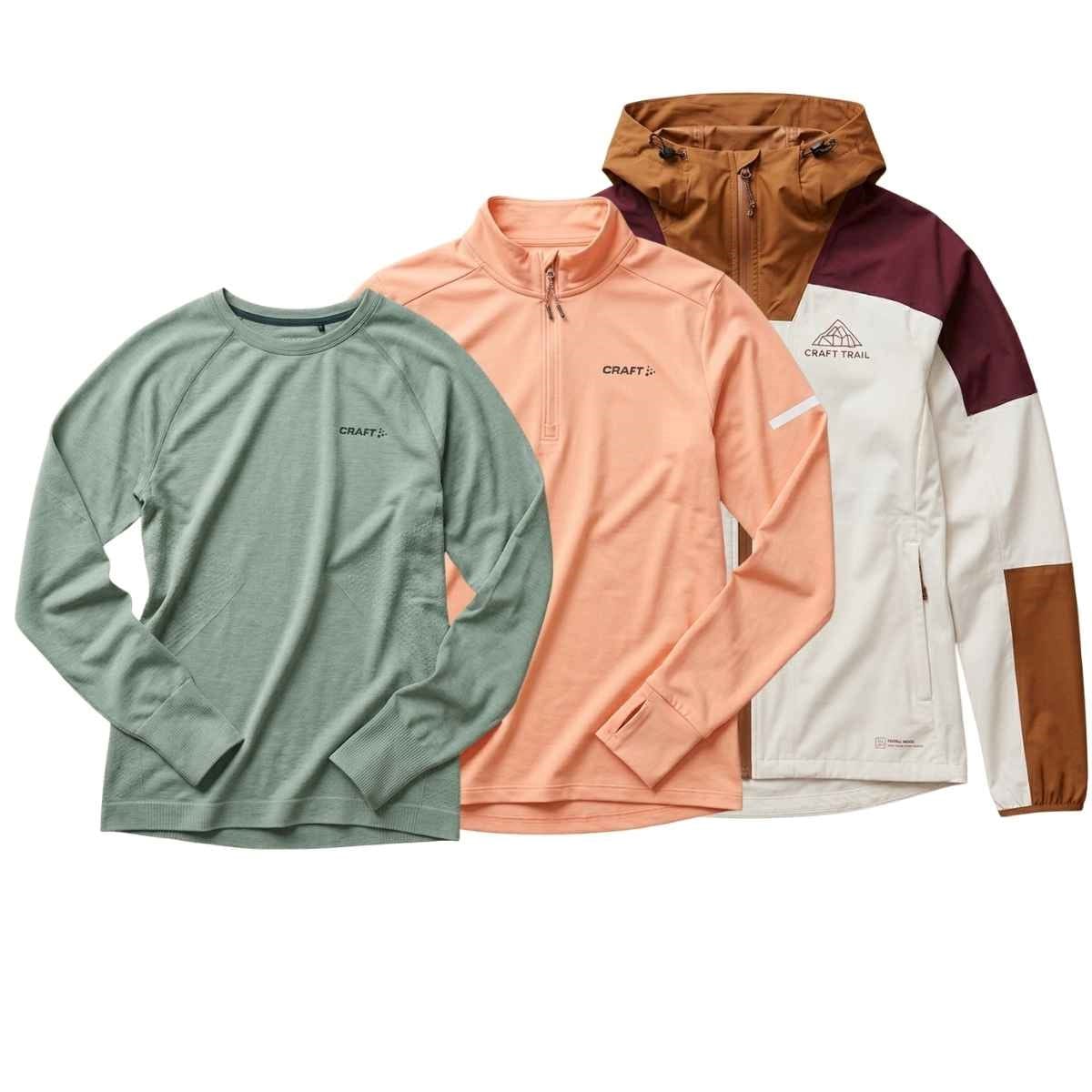
Layer One – The Base Layer
Your base layer sits directly against your skin.
Many people think its main job is to keep you warm.
Not quite.
Its most important job is to move sweat away from your skin so you stay as dry and comfortable as possible.
Even on cold days, you’ll still sweat while running.
If that moisture stays next to your skin, you’ll soon start to feel cold once your pace slows or the wind picks up.
Layer Two – The Midlayer
The midlayer is all about insulation.
Its job is to trap warm air close to your body.
Think of it as the layer that helps keep the heat your body is already producing.
You won’t always need one.
On cool autumn mornings, a long sleeve running top might be enough.
As temperatures fall closer to freezing, adding a midlayer can make a huge difference to your comfort.
Layer Three – The Outer Layer
The outer layer protects you from the weather.
Wind.
Rain.
Snow.
Its job isn’t to make you warmer.
Its job is to stop the weather taking your body heat away.
The best running jackets protect you from the elements while still allowing excess heat and moisture to escape.
You Don't Always Need Three Layers
This is where many runners get confused.
Layering doesn’t mean wearing three layers every time you go for a run.
Sometimes one layer is enough.
Sometimes two.
Sometimes all three work together.
The weather decides—not the calendar.
A cool spring evening might only need a long sleeve running top.
A windy autumn morning might be more comfortable with a base layer and a lightweight windproof jacket.
A cold winter run may call for all three.
Learning to adjust your clothing to the conditions is far more useful than following the same routine every time.
🏃 Rom’s Tip
It’s usually better to feel slightly cool when you first leave the house than too warm. After ten minutes of running your body will generate plenty of heat. Starting your run overdressed often means you’ll spend the rest of it trying to cool down.
Don't Forget the Small Details
Layers aren’t just about tops and jackets.
When the temperature drops, your hands, head and legs can quickly start to feel the cold.
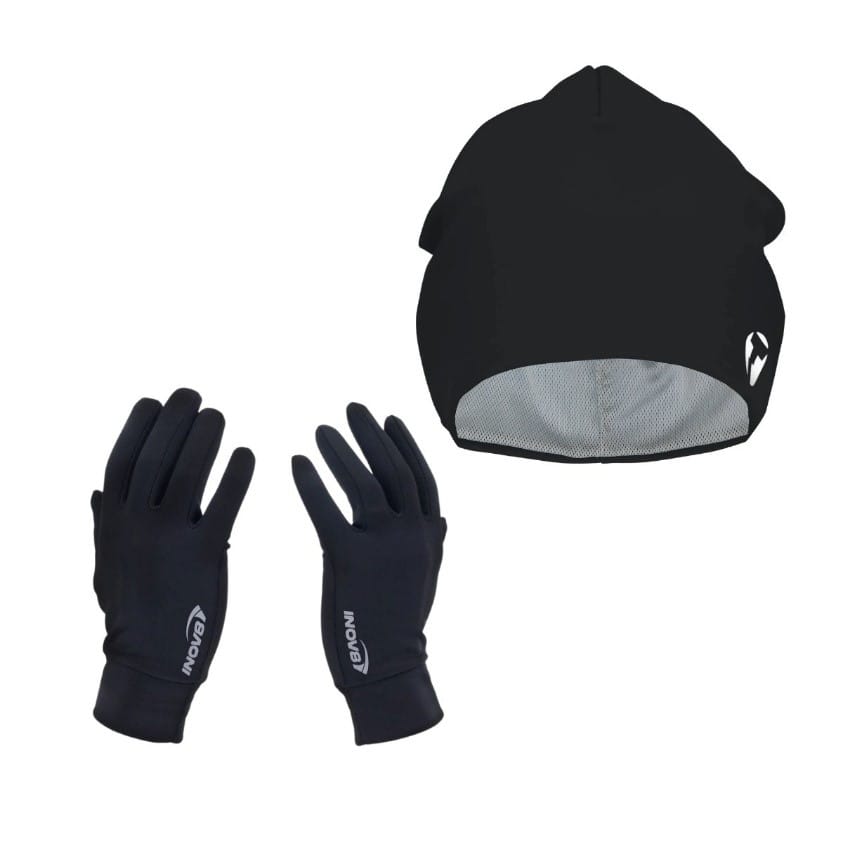
A lightweight running hat helps keep heat in.
Gloves become much more comfortable when temperatures fall below freezing because your hands generate very little heat while running.
Many runners also swap shorts for running tights or lightweight training trousers during colder months.
Being comfortable isn’t about proving how tough you are.
It’s about wearing clothing that lets you enjoy your run
One Last Thing...
If there’s one lesson we’d like you to remember, it’s this.
Don’t dress for the weather you’re standing in.
Dress for the run you’re about to do.
You’ll soon warm up.
The trick is finding the balance between staying warm enough at the start without becoming too hot once you’re moving.
Once you understand how layering works, that decision becomes much easier.
🏃 Before You Head Out
✔ Check the temperature.
✔ Check if it’s windy.
✔ Check if rain is expected.
✔ Think about how hard you’ll be running.
✔ It’s usually better to start slightly cool than too warm.
✔ Choose layers that you can adjust as the weather changes.
If you’ve decided that orienteering is becoming a regular part of your life, these are the items worth considering first.
Frequently Asked Questions
How many layers should I wear for running?
It depends on the temperature, wind, rain and how hard you plan to run. In mild weather, one breathable layer may be enough. Colder or wetter conditions may require a base layer, a midlayer and a protective outer layer.
What should I wear for running in cold weather?
Start with a moisture-wicking base layer and add an insulating midlayer if needed. In windy, rainy or snowy conditions, wear a lightweight outer jacket for protection. Gloves, a running hat and tights can also make a big difference.
Should I feel warm before I start running?
You should usually feel slightly cool when you first step outside. Your body will generate heat once you begin running, so feeling completely warm at the start may mean you’ve worn too much.
Is cotton suitable for a running base layer?
Cotton is usually best avoided because it absorbs sweat and can remain wet against your skin. Technical synthetic fabrics or merino wool are generally better at moving moisture away and helping you stay comfortable.
Do I need a waterproof jacket for orienteering?
Not always, but it is strongly recommended and may be compulsory at some events.
Organisers can require waterproof clothing depending on weather conditions, terrain and safety considerations. If waterproof kit is listed in the event details and you don’t have it, you may not be allowed to start.
A simple waterproof jacket with taped seams is usually sufficient for most events.
How do I know if I'm wearing too many layers?
If you’re sweating heavily, feeling uncomfortably hot or needing to remove clothing shortly after starting, you may be overdressed. Try wearing one less layer next time or choosing lighter, more breathable clothing.
Should I dress differently for an easy run and a fast workout?
Yes. Faster or more demanding sessions generate more body heat, so you’ll usually need fewer or lighter layers. Easy runs, warm-ups and recovery sessions may require a little more insulation because you’re moving at a lower intensity.
Final Thoughts
Learning how to layer running clothing makes it much easier to stay comfortable throughout the year. Focus on what each layer needs to do rather than simply choosing the thickest clothing you own. Check the temperature, wind, rain and intensity of your planned run before getting dressed. With a little practice, choosing the right combination of layers will quickly become second nature.