
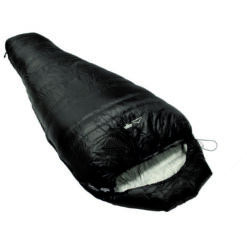
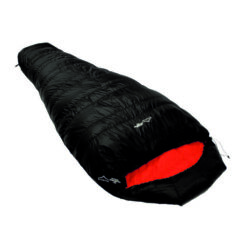
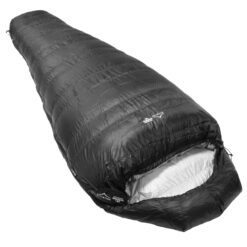
Sleeping Bags for Backpacking, Camping & Outdoor Adventures
A sleeping bag needs to keep you warm through the night without adding unnecessary weight to your pack. This becomes particularly important for backpacking, wild camping, mountain marathons and other trips where you carry everything for several hours before reaching camp.
The most important specification is the temperature rating. Look at the comfort figure when comparing models for the conditions you expect to encounter. Something designed for mild summer nights will not provide the same insulation as one intended for colder weather.
Weight and packed size are also worth comparing. Lightweight down models can provide a high warmth-to-weight ratio and compress into a small stuff sack, making them useful when carrying your kit over long distances.
Understanding Temperature Ratings
These can be confusing because several figures may appear in the product specifications.
The comfort rating is the most useful starting point for most buyers. It indicates the temperature at which a standardised test assumes a person can sleep comfortably. The lower-limit rating represents colder conditions and should not be treated as the normal comfort temperature.
Your sleeping mat also matters. Even good insulation cannot compensate fully for heat lost to cold ground, so the bag and mat work together as one system.
If you are choosing between two options and expect temperatures close to the rating, consider your own sleeping habits and whether you tend to feel cold at night. It is generally better to choose enough insulation for the conditions you actually expect rather than selecting something purely because it is lighter.
Frequently Asked Questions
What temperature rating do I need?
Choose a comfort figure appropriate for the coldest conditions you expect to encounter. Consider the season, location, altitude and your own tolerance for cold rather than going by season label alone.
Is down good for backpacking?
Down can be particularly suitable because it provides substantial insulation for relatively low weight and compresses into a small packed size. It needs appropriate care to avoid prolonged exposure to moisture.
What is the difference between comfort and lower-limit ratings?
The comfort figure indicates the temperature at which a standardised sleeper rests comfortably, while the lower limit represents a colder threshold. For normal buying decisions, the first is the more useful number.
Shop our range below, including lightweight options for backpacking, trekking and endurance adventures — alongside tents and camping accessories.