

What's the Difference and Do You Really Need Both?
If you’ve ever looked at running clothing online or walked into a sports shop, you’ve probably had the same thought.
“They both look like long-sleeved tops… so what’s the difference?”
It’s a fair question.
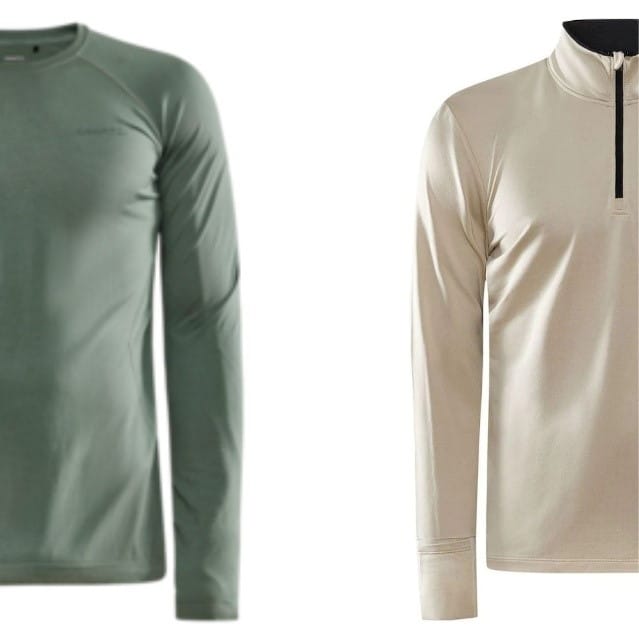
A base layer and a midlayer often look very similar. They can be made from similar technical fabrics, they’re both worn in cooler weather, and both claim to keep you comfortable while running.
So why would you need both?
The simple answer is this:
Although they may look alike, they’re designed to do completely different jobs.
Once you understand what each layer is supposed to do, choosing what to wear becomes much easier.
Why So Many Runners Get Confused

One of the biggest mistakes beginners make is buying running clothing based on how warm it feels when they try it on.
It seems logical.
If you’re running on a cold morning, surely the warmest top must be the best choice?
Not necessarily.
When you’re running, your body quickly starts producing heat. At the same time, it also produces sweat—even when it’s close to freezing outside.
Good running clothing isn’t just about keeping you warm.
It’s about helping your body deal with both heat and moisture.
That’s why a base layer and a midlayer aren’t interchangeable.
Each one has a different job.
Think of Your Clothing as a Team
Instead of asking,
“Which top should I wear?”
try asking,
“What does today’s weather need?”
Every layer has one simple job.
- The base layer keeps you dry.
- The midlayer keeps you warm.
- The outer layer protects you from wind and rain.
When each layer does its own job, they work together to keep you comfortable throughout your run.
Trying to make one thick top do everything rarely works as well.
🧭 Compass Point Tip
Don’t think about running clothing as individual garments. Think about what each layer is designed to do. Once you understand the purpose of each one, choosing what to wear becomes much simpler.
What Is a Base Layer?
A base layer is the first piece of clothing you put on.
It sits directly against your skin, so it’s the first layer that comes into contact with sweat.
Many runners assume a base layer is there to make them warm.
In reality, its most important job is to help keep you dry.
As you run, technical fabrics move moisture away from your skin towards the outer surface of the fabric, where it can evaporate more easily.
Why does that matter?
Because damp clothing can quickly make you feel cold, especially if you slow down, stop running or the wind picks up.
A good base layer helps reduce that feeling by managing moisture throughout your run.
In simple terms:
Base layer = moisture management first, warmth second.
What Is a Midlayer?
A midlayer sits on top of your base layer.
Its job is different.
Instead of moving sweat away from your skin, it helps trap the warm air your body naturally produces while running.
That trapped air acts as insulation.
Think about wearing a warm duvet.
It isn’t creating heat.
It’s simply keeping your own body heat close to you.
A running midlayer works in much the same way, although it’s designed to remain breathable so you don’t overheat while exercising.
In simple terms:
Midlayer = insulation.
So What's the Biggest Difference?
The easiest way to remember it is this:
Base Layer | Midlayer |
Worn next to your skin | Worn over the base layer |
Moves sweat away from your body | Traps warm air |
Helps keep you dry | Helps keep you warm |
Usually lightweight | Usually slightly thicker |
Works best against the skin | Works best over another layer |
Both are important.
But they aren’t designed to replace each other.
Can You Wear One Without the Other?
Yes.
Not every run needs a full layering system.
On a cool autumn morning, a lightweight long-sleeved running top might be all you need.
As temperatures drop, adding a base layer underneath helps manage sweat more effectively.
When winter arrives, a midlayer provides the extra insulation that helps you stay comfortable for longer.
The important thing is to dress for the conditions, not simply because it’s a certain month of the year.
🏃 Rom’s Tip
I don’t automatically wear a base layer just because it’s autumn or winter. I look at the temperature, the wind and whether it’s raining. At around 8–10°C, I’d often choose a long-sleeved running top. Around 5°C, I’ll usually add a base layer because staying warm becomes much more important. The weather should decide what you wear—not the calendar.
What About Cotton?
This is one area where almost every experienced runner agrees.
Cotton isn’t ideal for running in cooler weather.
It absorbs sweat and holds onto moisture rather than moving it away from your skin.
Once it becomes damp, it can leave you feeling cold and uncomfortable.
Technical running fabrics are designed to do the opposite.
They help move moisture away from your body so you stay drier throughout your run.
Common Beginner Mistakes
We’ve seen these time and time again.
- Choosing the warmest-looking top instead of the right layer.
- Wearing a cotton hoodie for winter running.
- Thinking a base layer and a midlayer do exactly the same job.
- Wearing too many thick layers and overheating after the first ten minutes.
- Wearing shorts on cold mornings when a pair of running tights or lightweight trousers would be much more comfortable.
None of these mistakes make someone a bad runner.
They’re simply signs that nobody has explained how layering actually works.
Which One Should You Buy First?
If you’re starting to build your running wardrobe, we’d usually recommend investing in a good base layer first.
It’s one of the most versatile pieces of running clothing you can own.
Wear it on its own in cool weather.
Wear it under a midlayer when it gets colder.
Wear it underneath a waterproof jacket when the rain arrives.
As your running takes you into colder conditions, adding a midlayer gives you even more flexibility without needing lots of different jackets.
Before You Head Out
✔ Wear your base layer next to your skin.
✔ Add a midlayer when you need extra warmth.
✔ Dress for today’s weather, not the season.
✔ Avoid cotton in cold conditions.
✔ Remember: staying dry is just as important as staying warm.
Frequently Asked Questions
What does a base layer do?
A base layer sits next to your skin and helps move sweat away from your body while you run. This helps keep you drier and more comfortable, especially in cooler weather. Although a base layer adds some warmth, its main job is moisture management rather than insulation.
What does a midlayer do?
A midlayer is worn over your base layer and helps trap the warm air your body naturally produces while running. This extra insulation makes it more comfortable to run in colder temperatures without needing a heavy jacket.
Can I wear a midlayer without a base layer?
Yes, you can. On cool days, many runners wear a lightweight midlayer or long-sleeved running top on its own. However, in colder conditions, adding a base layer underneath helps manage sweat more effectively and improves overall comfort.
Do I always need both layers?
No. The weather should decide what you wear, not the season. On milder days, a single running top may be enough. As temperatures fall, adding a base layer or a midlayer gives you more flexibility. In cold, wet or windy weather, you may choose to wear all three layers, including an outer jacket.
Can I run in just a base layer?
Yes. Many runners wear a base layer on its own during cool autumn or spring runs. If conditions become colder, windier or wetter, you can simply add extra layers as needed.
Is a base layer only for winter?
No. While base layers are most commonly worn in autumn and winter, lightweight versions can also be useful on cool spring mornings or chilly evenings. Their main purpose is to manage moisture and help regulate body temperature, not just to provide warmth.
Can I wear a cotton T-shirt under a midlayer?
It’s not recommended for running. Cotton absorbs sweat and stays wet, which can leave you feeling cold and uncomfortable. Technical running base layers are designed to move moisture away from your skin, helping you stay drier throughout your run.
Final Thoughts
A base layer and a midlayer may look similar, but each has a different purpose. The base layer helps manage moisture and keep your skin dry, while the midlayer adds insulation when you need extra warmth. You won’t always need both, so let the temperature, wind and intensity of your run guide your choice. Once you understand what each layer does, dressing comfortably for cooler runs becomes much simpler.