


The temperature has dropped, but you still want to run. What should you actually wear?
There isn’t one right answer. What works at 10°C can feel completely wrong at 5°C, and once you’re below freezing, the whole approach changes again. Wind, rain, your pace and how long you’re planning to be out all shift the equation too.
The aim isn’t to wrap up as warm as possible. It’s to stay warm without overheating.
What Should You Wear for a Cold-Weather Run?
Start with the basics, then work out what you actually need for that day.
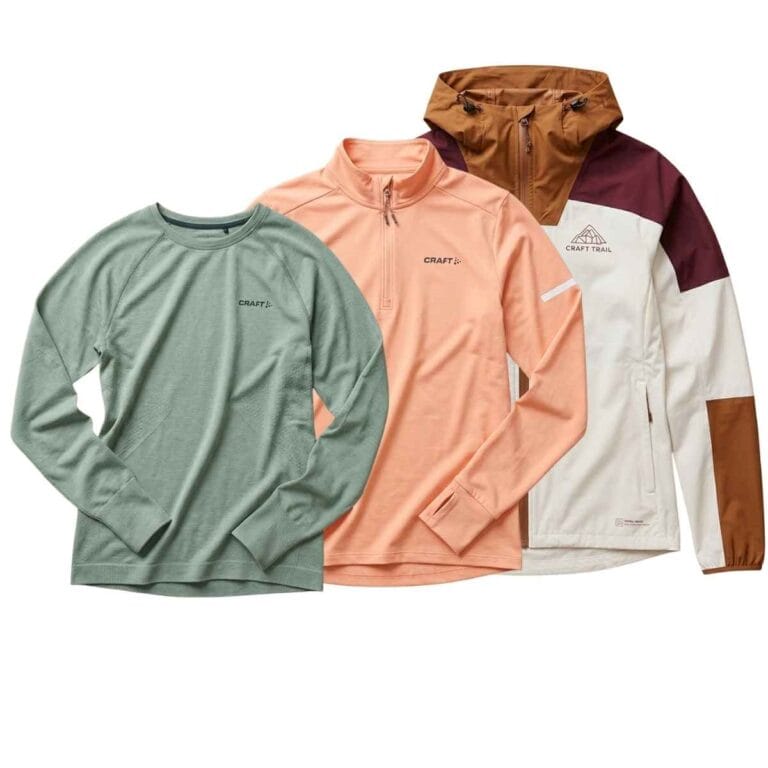
- Base layer – manages moisture and adds a bit of warmth
- Midlayer – extra insulation when it’s properly cold
- Running jacket – blocks wind and rain
- Tights or running trousers – covers your legs
- Gloves – keeps your hands usable
- Hat or headband – useful once it gets properly cold
- Neck warmer – handy in wind or low temperatures
You won’t need all of these on every run. Layer up for a slow, exposed winter run; strip it back for a hard session on a still, mild evening. Think of the list above as a toolkit, not a uniform.
For the full breakdown of what each layer is actually doing, see our guide on how to layer running clothing.
What to Wear Running at Different Temperatures
These temperatures are a starting point rather than strict rules. Your pace, the wind, rain, run length and how you personally respond to cold can all change what feels comfortable.
Around 10°C
Most runners are still comfortable in fairly light kit at this temperature.
- A technical T-shirt or long-sleeve top
- Shorts or lightweight trousers, depending on how the wind feels
- A lightweight jacket if it’s wet or breezy
Don’t reach for a base layer automatically just because the calendar says autumn. If you’re running at a decent effort, you may warm up quickly once you’re moving.
Around 5°C
This is where layering starts to earn its place.
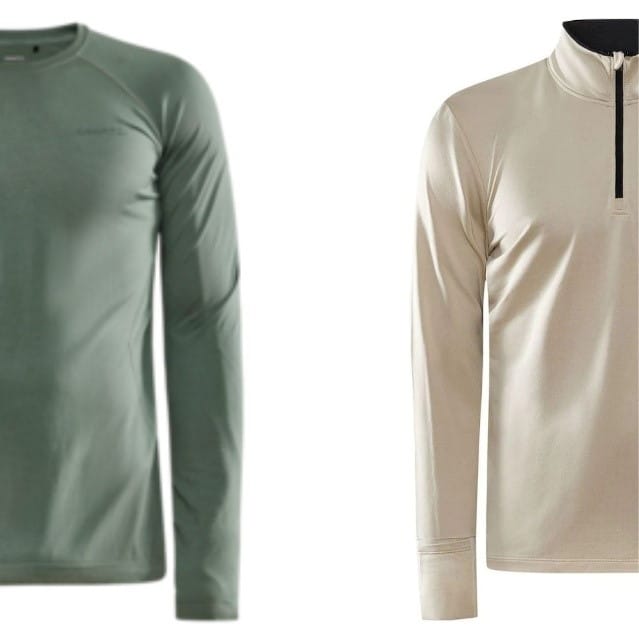
- Lightweight base layer
- Running top or light midlayer over it
- Running tights or trousers
- Lightweight gloves
- Hat, if you feel the cold in your head and ears
Two thinner layers can be more versatile than one thick layer – you can vent or adjust more easily if you warm up.
Around 0°C and Below
Once temperatures reach around freezing, layering becomes more useful.
- Base layer
- Warm midlayer
- Weather-resistant running jacket
- Tights or running trousers
- Gloves
- Hat or headband
- Neck warmer, if it’s windy or you’re out for a while
Wind can make a big difference at this temperature. A still 0°C run and a windy 0°C run can feel very different.
How to Choose a Running Base Layer
A base layer’s job is to move sweat away from your skin, not just to add warmth.
Synthetic base layers dry quickly and are usually the more affordable option. Merino wool regulates temperature well and resists picking up odour, which makes it a good choice if you’re wearing the same layer for back-to-back sessions. Either way, you’re looking for a moisture-wicking fabric – one that pulls sweat away from your skin rather than holding onto it.
Fit matters more than people expect. A base layer is designed to sit close to your skin so it can move moisture away effectively. Too tight, though, and it can restrict movement or simply feel uncomfortable.
Weight is worth thinking about too. A lightweight base layer covers most autumn and early winter runs. Once you’re properly into winter, a warmer weight earns its place.
You don’t need a base layer for every run. If you’re running hard in mild conditions, a base layer may simply be too warm. Save it for slower efforts, longer runs, or when the temperature drops further.
Still deciding between a base layer and a midlayer? Our guide to base layer vs midlayer explains the difference in more detail.
Have a look at our Base Layers range.
When Do You Need a Midlayer?
A midlayer adds insulation while still allowing moisture and heat to escape more easily than a typical outer shell.
Fleece and thermal running tops both work well here. The idea is to add warmth where you lose heat fastest – your core – without overdressing your arms and legs.
You don’t need one for every cold run. If you’re moving at a good pace and it’s only mildly cold, a base layer and jacket combination is often enough. A midlayer earns its place once temperatures drop further, on slower runs, or if you tend to feel the cold more than most.
See our Midlayers.
Do You Need a Running Jacket in Cold Weather?
A jacket’s main job isn’t always warmth. Often it’s about protecting you from wind, rain and changing weather.
A lightweight windproof layer may be enough for cold but dry conditions – it cuts the wind without trapping too much heat. A proper waterproof running jacket is worth it once rain becomes part of the picture, but running in one when it’s dry can leave you overheating and damp with sweat rather than rain.
Think about what you’re protecting against before you think about warmth.
Browse our Waterproof & Weather Jackets.
Don't Forget Your Hands, Head and Neck
Gloves
Your hands can feel cold surprisingly quickly, even when the rest of you feels comfortable. Gloves can make a big difference once temperatures drop or if you’re running into a cold wind.
Hats and Headbands
A full hat holds in more heat, which is useful once temperatures properly drop or on slower runs. A headband covers your ears without trapping as much heat, which suits runs where you’re working harder and don’t want to overheat.
Neck Warmers
These are more versatile than people expect. Worn around the neck they block wind; pulled up over your nose and mouth, they help on the coldest or windiest days.
Have a look at our Gloves & Hats.

What Should You Wear for a Wet and Windy Run?
5°C and dry is a different run to 5°C, raining and windy.
Once you add wet or wind to the equation:
- A water-resistant or waterproof outer layer becomes more important
- Wind protection matters as much as warmth
- Breathability keeps you from getting clammy underneath
- Avoid cotton – it holds water and loses its insulating properties once wet
Getting wet changes how cold you feel far more than the temperature alone does. A dry, windless 2°C run can feel more comfortable than a wet, windy 8°C one.
What About Trail Running and Orienteering?
Off-road running adds a few things on top of everything above.
Mud, wet vegetation and wind exposure are all more of a factor once you’re off the road. Trail and orienteering routes can keep you outside for longer, and sections of a route may be slower than a road run, which changes how your kit needs to perform.
Clothing built for trail running and orienteering tends to prioritise durability and weather protection as well as comfort – it needs to survive being brushed through undergrowth and keep working after repeated soakings, not just look good on a dry pavement run.
How to Avoid Overheating
Feeling slightly cool when you step outside isn’t a problem. It’s often a sign you’ve dressed about right.
Body temperature rises quickly once you start running, and clothing that felt right standing at the front door can feel like too much ten minutes in.
A few things help:
- If you’re unsure, start with fewer layers rather than more
- Choose layers you can remove or tie round your waist
- Factor in your pace – harder efforts generate more heat
- Factor in how long you’ll be out
- Adjust for wind and rain, not just temperature
Turning up slightly underdressed and warming into your kit usually works better than overdressing and sweating through a whole run.
Footwear, Socks and Staying Visible
Clothing is only part of a winter kit list. Wet leaves, mud and icy patches can make good grip particularly important.
If grip underfoot is your main worry, we’ve covered lug depth and wet-weather traction in our guide to the best trail running shoes for forest and mud.
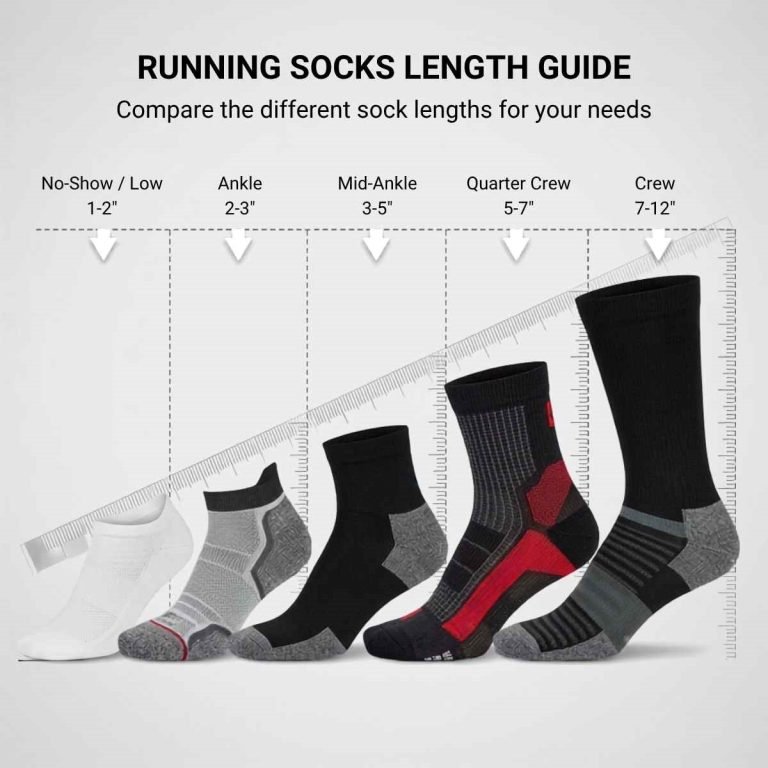
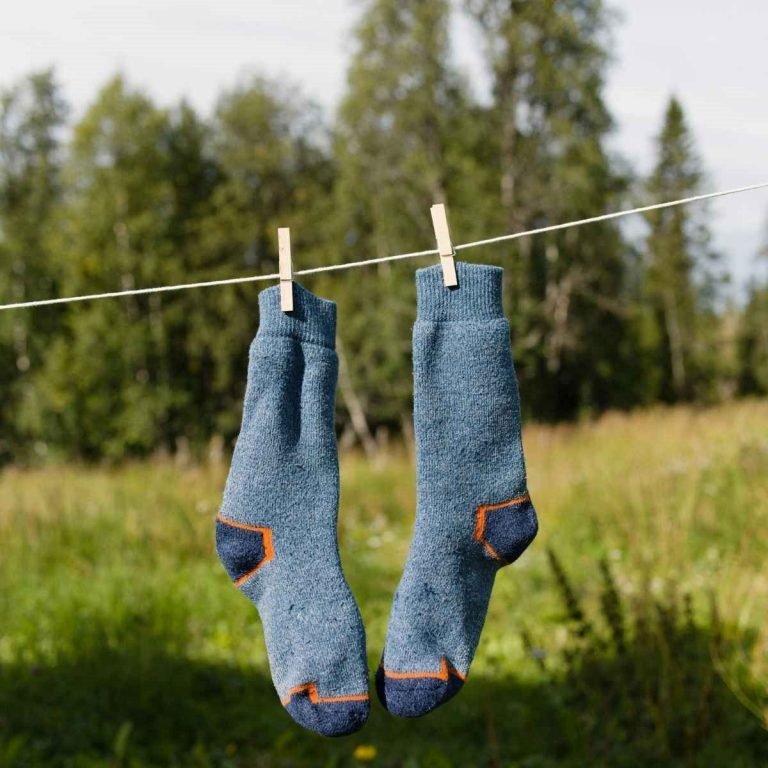
For sock height, fit and blister prevention over longer winter miles, see our guides to running sock heights and double-layer socks.
Worth a mention too: UK winter evenings get dark early, and a lot of runners end up doing at least part of a run in low light without planning to. Reflective details or a head torch are as much a part of a sensible winter kit as anything you’re wearing to stay warm.
Cold-Weather Running Checklist
Before you head out, run through this:
- Temperature – how cold is it actually, not just what the season suggests?
- Wind – will it feel colder than the thermometer says?
- Rain – do you need weather protection, or just wind protection?
- Distance – 30 minutes or two hours changes what you need
- Pace – an easy run may need more clothing than a hard session
- Terrain – trail and orienteering routes can mean wetter, rougher conditions
- Your own tolerance – some runners feel the cold more than others, and that’s worth knowing about yourself

Build Your Cold-Weather Running Kit
You don’t need a whole new wardrobe for winter. A few versatile layers, added or removed as the weather changes, will see you through most of what a UK autumn and winter can throw at you.
Have a look at our Training Wear, including base layers, midlayers, running tops, trousers and weatherproof jackets, plus accessories for the colder days.
Frequently Asked Questions
What should I wear for running in the winter?
A comfortable, moisture-wicking base layer, a light insulating layer once it’s properly cold, and a wind- or water-resistant shell on top will cover most UK winter runs. Add tights, gloves and a hat as temperatures drop toward freezing. What you actually need changes run to run – use the temperature breakdown above rather than treating “winter” as one fixed outfit.
Is running in the cold harder than running in the heat?
Mild cold can be comfortable for running because you don’t have to work as hard to get rid of excess body heat. But very cold conditions can make breathing feel harsher, and cold, dry air can be particularly noticeable during harder efforts. Sub-zero temperatures can also make muscles and joints feel less comfortable until you’ve warmed up.
What should I wear running in the UK in winter specifically?
The same layering principles apply, but UK winters bring more rain, wind and short daylight than cold on its own. A wind- and water-resistant outer layer earns its place as much as warmth does, and reflective or hi-vis details are worth having once you’re regularly running in the dark – which, by November, means many evening runs are in low light or darkness.
What gear do you need for winter running, beyond clothing?
Clothing only covers part of it. Grippy trail shoes help once paths turn wet or muddy, moisture-wicking socks keep your feet more comfortable over a longer run, and a head torch or reflective layer matters once daylight runs out early in the afternoon.
Final Thoughts
There isn’t one perfect cold-weather running outfit, because the right combination changes with the temperature, wind, rain, pace and length of your run. The most useful approach is to build your kit from versatile layers that you can add or remove as conditions change. Start slightly cool, protect yourself from wind and rain when needed, and let experience teach you which combinations work best for you. Once you understand that, winter running becomes much easier to dress for.